Watch a great bartender work and you will notice something under the bottles: rubber. Bar mats are the least glamorous equipment purchase in the industry and among the highest-return — they shorten close, save glassware, and make the rail look intentional instead of improvised. Here is the full system.
The Three Mats Every Bar Needs
1. The rail mat (18x36): The long rubber strip that runs the length of the service rail. Its raised channels catch drips, spills, and the melt from every glass that sets down — which is the whole point: liquid drains into channels instead of pooling under glassware or running onto the floor. The 18x36 rubber rail mat is the standard; two cover most wells.
2. The tap mat (6x8): Beer taps drip constantly — that is what they do. A tap mat under each tower catches the drip at the source, ending the ring of sticky that otherwise lives beneath every tap handle. At $8 it is the highest ROI item in the entire bar.
3. The service mat (18x12): The workstation mat where drinks get built. A custom service mat gives the shaker a non-slip landing zone, holds garnish trays in place, and — with a molded logo — brands every drink photo guests take.
Why Rubber, and Why the Channels Matter
Flat mats just move the puddle. The channel pattern is what makes a bar mat work: liquid drains into the grooves, glassware sits on the ridges (dry, not in a film of its own melt), and the whole thing dumps into the sink at close. Nitrile rubber is the professional material — it grips wet bars, shrugs off beer and citrus, survives commercial dishwashers, and does not curl at the edges after a season. Recycled rubber versions like the 12x18 industrial mat deliver the same performance with a better story for the sustainability-minded.
The Closing-Time Math
Here is the actual argument for mats, in minutes. Without them: wipe down the rail, scrub the tap area, mop the well floor, deal with the glasses that stuck to the counter. With a full mat system: lift the mats, dump and rinse them, done — the rail underneath never got wet. Bars running complete mat systems report closing the well 10–15 minutes faster, which at staff wage rates pays for the mats within a month. The mats also stop the slow damage of beer and syrup on counter finishes — a resurface job costs more than every mat in the building.
Placement: The System in Practice
- Rail: Continuous coverage along the service side, butted edge to edge.
- Taps: One mat per tower, centered under the drains.
- Well stations: One service mat per bartender position — where the shaker lands.
- Glass stations: A mat under the glass rack drop zone stops the slide that breaks rims.
- Ice wells: The mat catches the scatter that otherwise becomes tomorrow's slip hazard.
Custom Mats: Branding Where Guests Linger
The rail is where elbows rest and eyes wander — the highest-dwell real estate in the venue. A custom-molded logo mat puts the brand (or a sponsor's) exactly there, molded into the rubber so it survives the dishwasher. Breweries use tap mats as merch; bars use rail mats as the subtle branding that photographs well in every guest's pour shot.
Beyond the Bar: The Same Logic Elsewhere
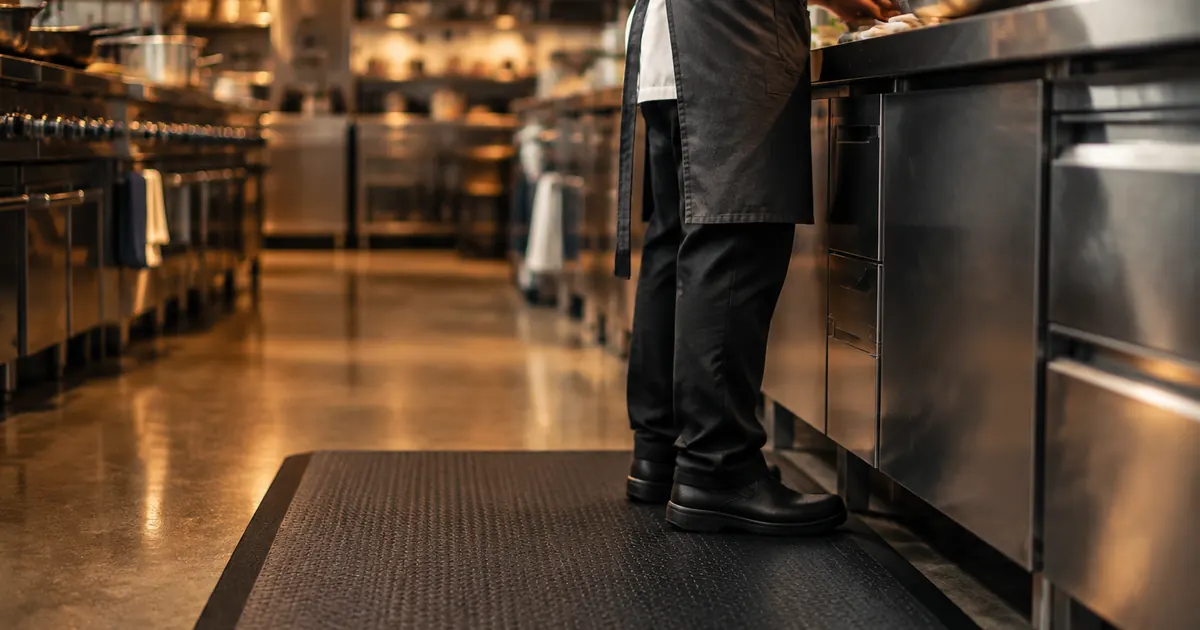
The rail mat's logic — catch the spill where it happens — scales across a venue. Coffee stations run the same mats under espresso machines, where the drip pattern is identical to a beer tower. Restaurant service wells use counter mats as the non-slip landing zone for hot pans. Even the service counter mat in a cafe is the same product doing the same job: liquid lands in channels, glassware stays dry, closing gets faster. Once staff work on a proper mat for a week, the bare counter feels wrong to them — that is the tell of a purchase that was always necessary and only looked optional.
Care: Thirty Seconds a Night
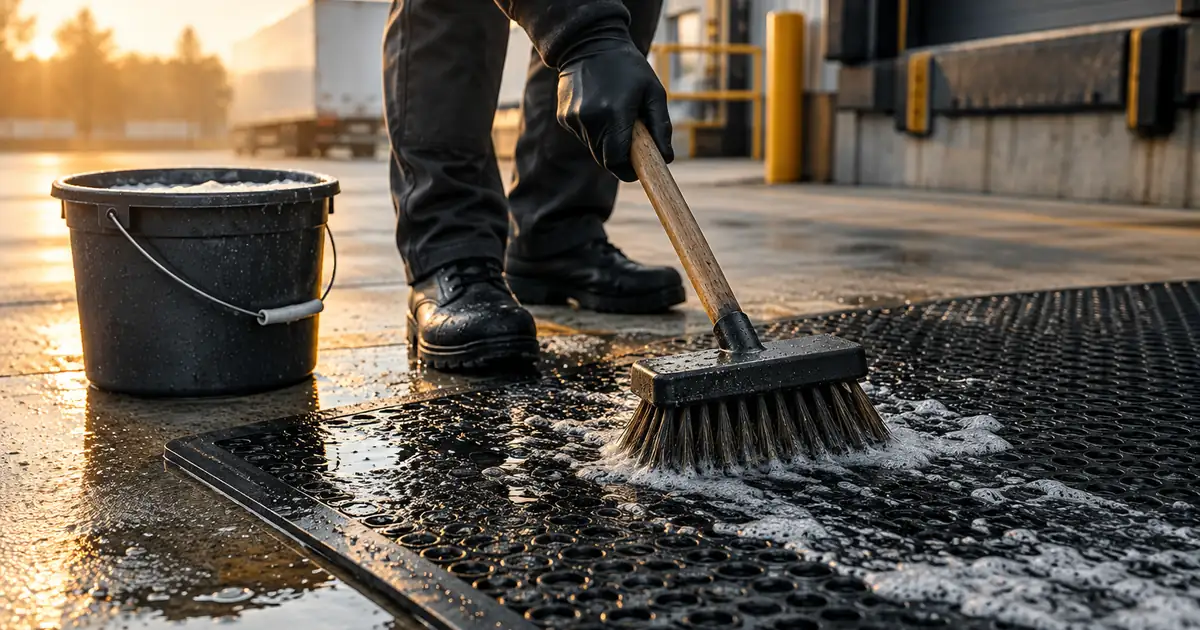
Dump, rinse, hang. That is the whole routine — mats dry overnight and never see the dishwasher's heat cycle unless they are rated for it. Weekly, a mild detergent scrub removes the beer stone that builds in channels. Replace any mat that cracks or loses its grip; a curled edge in a wet well is a cut waiting to happen. The complete bar mat collection — rails, taps, service mats, all rubber, all commercial grade — ships free and tax free, so the whole system costs less than one shift of wasted closing time.